What’s one childhood game or activity you still remember fondly?
This has got to be climbing trees. Big trees, little trees and fruit trees are all invitations to play. We played Tarzan (now I am showing my age!) swinging from branch to branch –the thrill of the fraction of a second before my hand touched the next branch felt like I was flying through the air. The mulberry tree outside my father’s veterinary practice was the best place to watch him operating while gorging on juicy purple mulberries.
What first inspired your passion for children’s rights to a quality childhood?
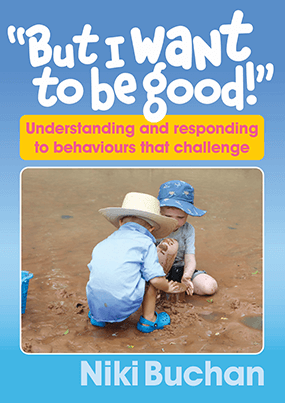
When I first started teaching more than 40 years ago, I had never heard of a preschooler diagnosed with anxiety. Now, increasingly children are being diagnosed with a range of mental and physical health issues. This coincides with the increase in parental and societal concerns about possible risks to children. Sustaining even minor injuries is seen as neglectful, and there’s a real fear of possible litigation.
In a misguided attempt to keep children safe, children’s autonomous play and movement is restricted leading to a restricted childhood. Realising this I looked into changes that would allow every child the right to a quality childhood.
How can educators balance risk and safety in outdoor learning?
Life is filled with hazards and risks. Trying to live with no risk is not living. Risk is not all bad – taking a risk is about taking a chance, testing your limits and celebrating achievement. By exploring the benefits of a risky opportunity in outdoor learning and balancing that against the possibility and likelihood of serious injury, a value-based judgement can be made.
What’s one small change an educator could make tomorrow to enrich children’s play experiences?
Step back, step away from the play! Give children the time and space to explore, discover, invent, test and experiment without adult interference. This allows children to take ownership and autonomy, to work through their own ideas and mistakes and to celebrate their successes.
In what ways do children naturally engage with STEM through play?
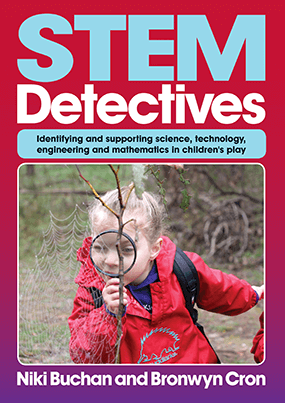
Children are born testing and experimenting as they learn about themselves and the world around them. Adults teaching or demonstrating a concept such as floating and sinking often refer to this as a science experiment – when children have already been freely experimenting in the bath or pool since they could manipulate objects. Playing freely and naturally encourages scientific thinking. They hypothesise, theorise, predict, try, fail, adapt, master, adapt. STEM is naturally identified in children’s play.
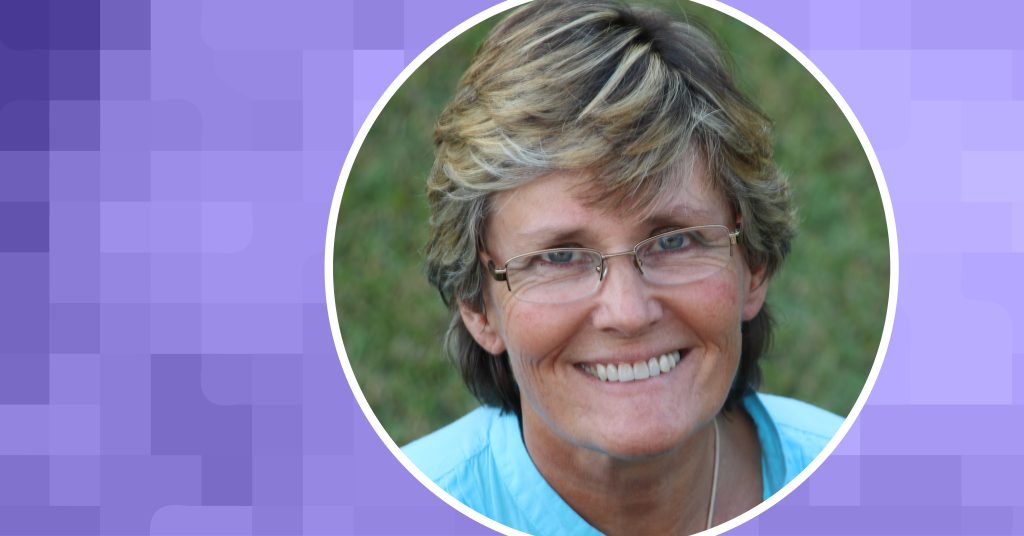
About Niki Buchan
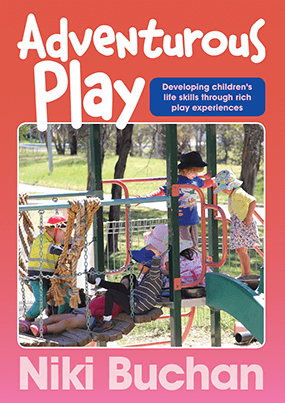
Niki Buchan is CEO and owner of Natural Learning Educational Consultancy. She has lived and worked in South Africa, Australia and is now based in Scotland. She works internationally as a conference keynote speaker, nature pedagogue, mentor and author having been invited to work in Australia, UK, USA, Canada, Iceland, Sweden, South Korea, China, Norway, Denmark and South Africa. She has developed a reputation as a strong advocate for children’s right to a high-quality childhood with a deep concern about children’s mental health and trauma.
Niki trusts children as being capable and competent, respects their ability to know what they need for their development including assessing and taking risks. She has a great love for the outdoors and has been working with both adults and young children in very consultative, naturalistic and sensorial environments both indoors and outdoors for more than 40 years. She believes children have a right to regular access to nature and to have their voices heard in matters that affect them.