Write Right Symposium
Teachers, teacher leaders, professional learning facilitators, and policy makers… Are you interested in positively transforming writing achievement in Aotearoa?
Writing achievement is a national priority, and teachers are asking for clearer, research-informed guidance. The Write Right Symposium brings together the world’s leading experts to unpack what works, and how to implement it confidently in New Zealand classrooms.

Join us for the Write Right Symposium in Wellington, 14–15 May 2026. New Zealand’s first dedicated writing symposium for educators.
Hear presentations from internationally and nationally renowned researchers, and walk away with the knowledge and confidence to implement the highest-quality writing programmes.
Learn evidence-based approaches that lift achievement.
Hear directly from global leaders in writing instruction.
Understand what’s already working in NZ schools.
Gain practical strategies you can implement immediately.
Connect with peers, leaders, and writing specialists nationwide.
Deep-dive workshops tailored to junior and senior levels.
Do not miss this landmark event to learn, connect, and take back a wealth of knowledge to your school communities.
Programme overview
The Write Right Symposium runs across two days, and you can choose to attend Day 1 only or both days. Day 1 brings together leading national and international experts for a full symposium programme, while Day 2 offers your choice of a deep-dive, full-day workshop tailored to either Full Primary, Years 1–4 (SOLD OUT) or Years 4–8 (SOLD OUT).
Morning tea and lunch will be provided each day.
Whether you’re looking for big-picture research, practical classroom strategies, or support for specific year levels, this event has it all.
Join us for Day 1 of the Write Right Symposium! Swap a day in class for a day of personal growth with six international and national experts in writing instruction for your students.
Whether you’re looking for big-picture research, practical classroom strategies, or support for specific year levels, this event has it all.
Morning tea and lunch will be provided.
Day 1: Symposium
Thursday 14 May, 8.30am–3.00pm
A full day of powerful, research-informed presentations from international and national experts in writing instruction. Day 1 sets the foundation for the symposium, offering insights into what works, why it works, and how to confidently lift writing achievement across Years 1–8. You’ll hear from researchers at the forefront of writing pedagogy, with practical takeaways you can apply immediately in your classroom or leadership role.
Presentations include:
- Dr Steve Graham – The key elements of an effective programme.
- Dr Viginia Berninger – A screening and intervention model for struggling writers in the junior primary years.
- Dr Olwyn Johnston – The use of SRSD to accelerate progress in senior students
- Dr Amy Austin – Ideas for developing reasoning skills in writing
- Bianca Elkington – Aspirations and actions of Ngāti Toa te Iwi for students in Porirua
- Dr Helen Walls – The progress already being made in schools, and where to from here.
- Supported by Melissa Chan-Green (MC).
Day 1 is ideal for anyone passionate about evidence-based writing instruction – teachers, leaders, literacy specialists, PLD facilitators, and policy makers.
Day 2: Full-Day Workshops
Friday 15 May, 8.30am–3.00pm
On Day 2 you’ll choose one of two hands-on, year-level-specific workshops. Each full-day session provides practical modelling, real classroom examples, and structured time to explore strategies you can implement straight away. These workshops are designed to deepen and personalise the learning from Day 1, giving you concrete tools for your year level.
Choose ONE full-day workshop:
- Workshop for Full Primary Teachers
Helen Walls, Jess Whatford and Emma Nahna explore principles of effective writing instruction, and share the latest research findings before delving into a range of practical methods for applying these across all the primary year levels.
Workshop for Years 1–4 TeachersSOLD OUT
Barbara Brann, Australian writing difficulties expert, will be sharing methods for teaching junior students to write, with a particular focus on the importance of movement skills and handwriting.
Workshop for Years 4–8 TeachersSOLD OUT
Dr Christine Braid will present a workshop for teachers of senior students, focused on sentence level skills, writing for different purposes, inspiring student writing and supporting students to use a range of text structures and language features.
Day 1: Symposium
Thursday 14 May, 8.30am–3.00pm
A full day of powerful, research-informed presentations from international and national experts in writing instruction. Day 1 sets the foundation for the symposium, offering insights into what works, why it works, and how to confidently lift writing achievement across Years 1–8. You’ll hear from researchers at the forefront of writing pedagogy, with practical takeaways you can apply immediately in your classroom or leadership role.
Presentations include:
- Dr Steve Graham – The key elements of an effective programme.
- Dr Viginia Berninger – A screening and intervention model for struggling writers in the junior primary years.
- Dr Olwyn Johnston – The use of SRSD to accelerate progress in senior students
- Dr Amy Austin – Ideas for developing reasoning skills in writing
- Bianca Elkington – Aspirations and actions of Ngāti Toa te Iwi for students in Porirua
- Dr Helen Walls – The progress already being made in schools, and where to from here.
- Supported by Melissa Chan-Green (MC).
Day 1 is ideal for anyone passionate about evidence-based writing instruction – teachers, leaders, literacy specialists, PLD facilitators, and policy makers.
Day 2: Full-Day Workshops
Friday 15 May, 8.30am–3.30pm
On Day 2 you’ll choose one of two hands-on, year-level-specific workshops. Each full-day session provides practical modelling, real classroom examples, and structured time to explore strategies you can implement straight away. These workshops are designed to deepen and personalise the learning from Day 1, giving you concrete tools for your year level.
Choose ONE full-day workshop:
- Workshop for Full Primary Teachers
Helen Walls, Jess Whatford and Emma Nahna explore principles of effective writing instruction, and share the latest research findings before delving into a range of practical methods for applying these across all the primary year levels.
Workshop for Years 1–4 TeachersSOLD OUT
Barbara Brann, Australian writing difficulties expert, will be sharing methods for teaching junior students to write, with a particular focus on the importance of movement skills and handwriting.
Workshop for Years 4–8 TeachersSOLD OUT
Dr Christine Braid will present a workshop for teachers of senior students, focused on sentence level skills, writing for different purposes, inspiring student writing and supporting students to use a range of text structures and language features.
Meet your speakers
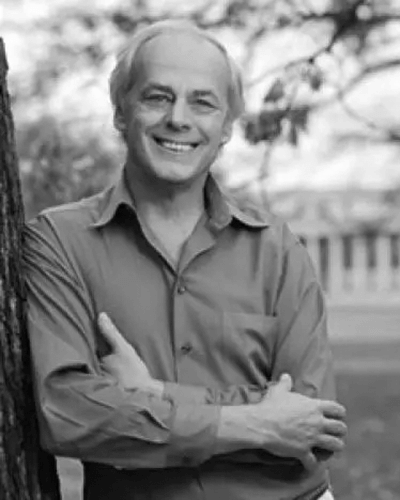
Dr Steve Graham
Dr Steve Graham is Regents and Warner Professor in the Division of Leadership and Innovation at Arizona State University. For more than four decades, he has researched how writing develops, how it can be taught effectively, and how it supports reading and learning – particularly for students with diverse learning needs. His work is grounded in classroom research across elementary and secondary settings.
Steve has authored and edited numerous influential books and reports on writing instruction and has advised organisations including UNESCO and the What Works Clearinghouse. He is a highly honoured scholar and a Fellow of leading international research associations.
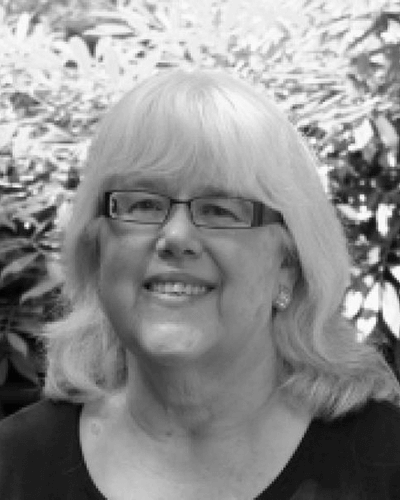
Dr Viginia Berninger
Dr Virginia Wise Berninger is Professor Emerita at the University of Washington, where she taught in Educational Psychology and Learning Sciences for over three decades. With a background in psychology, her research focuses on the neuropsychology of writing and reading development, including dyslexia and writing disabilities.
She has led multiple large-scale research projects examining brain, genetic and cognitive aspects of learning. Virginia is committed to translating educational neuroscience research into classroom-relevant insights, supporting teachers to better understand how writing and reading develop in both typical and atypical learners.
Dr Olwyn Johnston
Dr Olwyn Johnston is an experienced educator with over 40 years working across New Zealand schools in a wide range of roles, including classroom teacher, principal and specialist teacher. She has taught in rural and urban settings, across mainstream and special education, and at intermediate, primary and specialist levels.
Olwyn is known for her strong commitment to evidence-informed literacy practice and practical application in real classrooms. She works closely with teachers to ensure research translates into effective teaching and shares her learning widely through professional learning and the Kiwi Reading Doctor community.
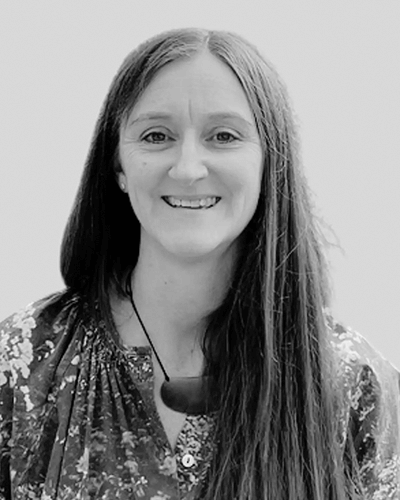
Dr Amy Austin
Dr Amy Austin has worked in school leadership, including as DP at Island Bay school. She is an experienced educator with more than 20 years of teaching across India, the UK and Aotearoa New Zealand. She has also worked in initial teacher education as a teaching fellow and visiting lecturer at Te Herenga Waka | Victoria University of Wellington.
Amy’s doctoral research explored how kaiako can foster critical thinking for diverse learners through Philosophy for Children. She is actively involved in curriculum leadership and is a member of the steering group for the Aotearoa Social Studies Educators’ Network.
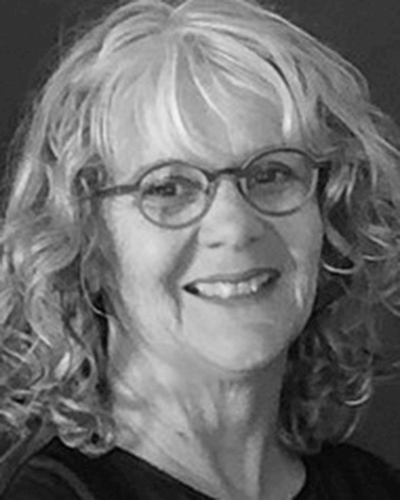
Dr Christine Braid
Dr Christine Braid brings 40 years of experience as an educator, including time as a classroom teacher, and 25 years as a teacher educator specialising in literacy. Her academic work spans children’s literature, reading comprehension, and early literacy development, with a strong focus on the role of teacher knowledge and practice.
Christine works with teachers to promote systematic and explicit instruction while also valuing opportunities for incidental learning. She is particularly passionate about the power of books to inspire both teachers and learners and to deepen engagement with literacy across the primary years.
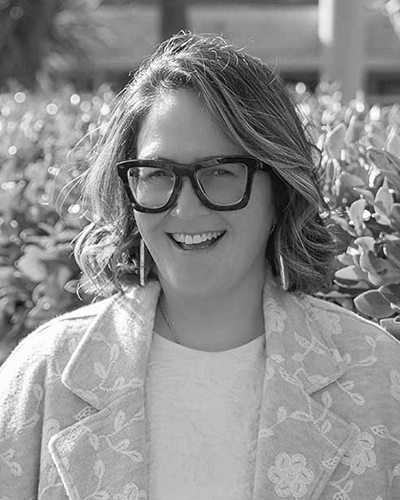
Bianca Elkington
Bianca Elkington is General Manager of Education and Employment at Te Rūnanga o Toa Rangatira, with a strong commitment to educational innovation and equity.
Raised in the Takapūwāhia community, Bianca draws on her lived experience to challenge traditional education models and advocate for change that better serves Māori learners and whānau.
She is currently a PhD candidate at Te Herenga Waka | Victoria University of Wellington, researching the impact of iwi-led education hubs on Māori achievement. Bianca is passionate about strengthening community-led approaches and amplifying Māori voice in education.

Dr Helen Walls
Helen is the Managing Director of The Writing Teacher, providing online workshops and resources for educators. Her PhD research focused on effective writing instruction and formative feedback practices. Helen has published in peer-reviewed journals, written several resources for teachers and works closely with teachers to support confident, informed writing pedagogy.
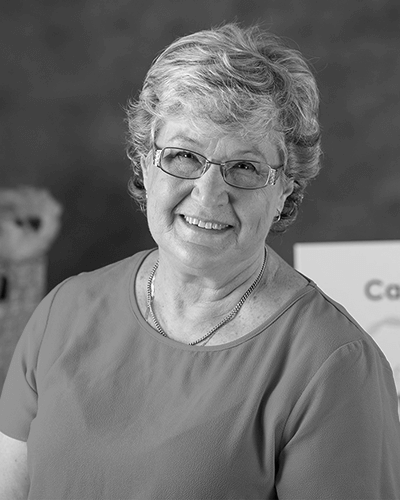
Barbara Brann
Barbara Brann is an educator, researcher, and international speaker with more than four decades of experience transforming thinking and practice in early literacy learning. Her work spans early childhood, primary, secondary, and adult literacy education across Australia, Aotearoa New Zealand and internationally.
Barbara’s research and professional learning focus on understanding how learners make sense of reading and writing – particularly those who experience persistent difficulty. She is known for challenging one-size-fits-all approaches and for designing instruction grounded in learning science, development, and learner need.
Barbara is the author of widely used literacy resources and has worked in hundreds of schools, including remote and Indigenous communities.
Dr Steve Graham
Dr Steve Graham is Regents and Warner Professor in the Division of Leadership and Innovation at Arizona State University. For more than four decades, he has researched how writing develops, how it can be taught effectively, and how it supports reading and learning – particularly for students with diverse learning needs. His work is grounded in classroom research across elementary and secondary settings.
Steve has authored and edited numerous influential books and reports on writing instruction and has advised organisations including UNESCO and the What Works Clearinghouse. He is a highly honoured scholar and a Fellow of leading international research associations.
Dr Viginia Berninger
Dr Virginia Wise Berninger is Professor Emerita at the University of Washington, where she taught in Educational Psychology and Learning Sciences for over three decades. With a background in psychology, her research focuses on the neuropsychology of writing and reading development, including dyslexia and writing disabilities.
She has led multiple large-scale research projects examining brain, genetic and cognitive aspects of learning. Virginia is committed to translating educational neuroscience research into classroom-relevant insights, supporting teachers to better understand how writing and reading develop in both typical and atypical learners.
Dr Olwyn Johnston
Dr Olwyn Johnston is an experienced educator with over 40 years working across New Zealand schools in a wide range of roles, including classroom teacher, principal and specialist teacher. She has taught in rural and urban settings, across mainstream and special education, and at intermediate, primary and specialist levels.
Olwyn is known for her strong commitment to evidence-informed literacy practice and practical application in real classrooms. She works closely with teachers to ensure research translates into effective teaching and shares her learning widely through professional learning and the Kiwi Reading Doctor community.
Dr Amy Austin
Dr Amy Austin has worked in school leadership, including as DP at Island Bay school. She is an experienced educator with more than 20 years of teaching across India, the UK and Aotearoa New Zealand. She has also worked in initial teacher education as a teaching fellow and visiting lecturer at Te Herenga Waka | Victoria University of Wellington.
Amy’s doctoral research explored how kaiako can foster critical thinking for diverse learners through Philosophy for Children. She is actively involved in curriculum leadership and is a member of the steering group for the Aotearoa Social Studies Educators’ Network.
Dr Christine Braid
Dr Christine Braid brings 40 years of experience as an educator, including time as a classroom teacher, and 25 years as a teacher educator specialising in literacy. Her academic work spans children’s literature, reading comprehension, and early literacy development, with a strong focus on the role of teacher knowledge and practice.
Christine works with teachers to promote systematic and explicit instruction while also valuing opportunities for incidental learning. She is particularly passionate about the power of books to inspire both teachers and learners and to deepen engagement with literacy across the primary years.
Bianca Elkington
Bianca Elkington is General Manager of Education and Employment at Te Rūnanga o Toa Rangatira, with a strong commitment to educational innovation and equity.
Raised in the Takapūwāhia community, Bianca draws on her lived experience to challenge traditional education models and advocate for change that better serves Māori learners and whānau.
She is currently a PhD candidate at Te Herenga Waka | Victoria University of Wellington, researching the impact of iwi-led education hubs on Māori achievement. Bianca is passionate about strengthening community-led approaches and amplifying Māori voice in education.
Dr Helen Walls
Helen is the Managing Director of The Writing Teacher, providing online workshops and resources for educators. Her PhD research focused on effective writing instruction and formative feedback practices. Helen has published in peer-reviewed journals, written several resources for teachers and works closely with teachers to support confident, informed writing pedagogy.
Barbara Brann
Barbara Brann is an educator, researcher, and international speaker with more than four decades of experience transforming thinking and practice in early literacy learning. Her work spans early childhood, primary, secondary, and adult literacy education across Australia, Aotearoa New Zealand and internationally.
Barbara’s research and professional learning focus on understanding how learners make sense of reading and writing – particularly those who experience persistent difficulty. She is known for challenging one-size-fits-all approaches and for designing instruction grounded in learning science, development, and learner need.
Barbara is the author of widely used literacy resources and has worked in hundreds of schools, including remote and Indigenous communities.
What you’ll walk away with
By the end of the Write Right Symposium, you’ll leave with a clear understanding of what high-quality writing instruction looks like — and how to make it work in your own context. Across both days, you’ll gain:
A solid research foundation
An up-to-date picture of what works in writing instruction, why it works, and how these methods align with the needs of New Zealand learners.
Actionable classroom strategies
Practical techniques for developing strong writers in Years 1–8, including sentence-level instruction, reasoning in writing, text structures, handwriting fluency, and effective scaffolding.
Tools for supporting struggling writers
Screening approaches, intervention ideas, and a clearer sense of how to help students who find writing challenging — from junior primary to intermediate.
Fresh ways to inspire writing
Ideas for integrating picture books, mentor texts, purposeful tasks, and culturally grounded approaches to motivate even the most reluctant writers.
Clarity and confidence for next steps
Concrete changes you can implement immediately in your classroom or school, supported by examples, modelling, and real-school success stories shared throughout the symposium.
Stronger professional connections
Opportunities to network with teachers, leaders, researchers, and facilitators from across Aotearoa who are passionate about improving writing outcomes.
Whether you attend Day 1 only or both days, you’ll walk away informed, motivated, and ready to uplift writing achievement in your school community.
Key details
Dates: Thursday 14 May and Friday 15 May 2026
Location:
Day 1 – Hunter Council Chamber – Victoria University of Wellington, Kelburn campus
Day 2 – Rutherford House, Victoria University of Wellington, Pipitea campus
Tickets:
Day 1 only (Symposium only) – $295.00 NZD GST incl.
Days 1 & 2 (Symposium + Workshop) – $485.00 NZD GST incl.
Catering: Morning tea and lunch provided each day.
Who it’s for: Teachers (Years 1–8), literacy leaders, SENCOs, DPs, PLD facilitators, MoE staff, and anyone committed to improving writing outcomes across Aotearoa New Zealand.
Write Right Symposium is proudly sponsored by: