In today’s classrooms, it’s essential to create an environment where all students, including neurodivergent learners, can thrive. By implementing tailored, inclusive teaching strategies and classroom accommodations, educators can ensure every student is given the opportunity to succeed.
As educators, we know that most classrooms include learners with a diverse range of skills and learning needs. Accommodating those needs is a vital part of our work and provides the action that supports an inclusive approach to teaching and learning – but it’s not always as easy as we might think. Let’s look at some practical strategies for inclusive education that can help you support diverse learners in your early years or primary school setting.
Practical inclusive teaching strategies for early childhood
Inclusive education in the early childhood years often means being a good observer and communicator. Some children may be experiencing challenges in learning new skills, playing games, making friends and building their own communication skills. There are a number of inclusive teaching strategies you can use to support learners. Use careful documentation and reflections to help you record what you notice about children so you can share information if it is requested by families or supporters. This information can be a great help if they are seeking a diagnosis or looking for advice from other professionals about their child’s developmental pathway. You can also support early development by managing sensory load, adding some visuals to support communication and providing guided opportunities to develop social and play skills.
In an early years setting, you may work with students with developmental coordination disorder (also known as dyspraxia). You might notice that they have more difficulty than other children with their movement and motor planning skills, with problems learning fundamental motor skills like hopping, skipping and climbing. Developmental coordination disorder support strategies can include working with an occupational therapist to plan activities, making sure the child is working from a stable base when they are doing a tabletop activity and providing tools and equipment such as pencil grips, larger balls and lower play equipment to improve access and success during tasks.
How to support neurodivergent students in primary school with inclusive teaching strategies
In a primary school, many classrooms include neurodivergent students who do best with support that focuses on meeting their individual learning needs. There are several inclusive teaching strategies you can implement. You can think about the sensory environment in the classroom and playground, add a visual schedule to give some structure and routine to the day and use social narratives to support new experiences like camps, incursions and excursions. As part of an autism-friendly classroom, you could try using a regular daily routine along with symbols and picture cues to make the classroom environment more predictable. Provide a calm, welcoming space that students can use if they need a break from the activity and noise of the classroom. Some neurodivergent students may have particular interests and topics which engage them deeply. You can support wider learning by incorporating these interests into classroom learning where it seems appropriate and allowing time and space for them to pursue their interests.
Effective teaching methods for children with dyslexia
Children who have dyslexia sometimes go unnoticed in the primary classroom and this can lead to lifelong difficulties with learning to read, write, spell and organise learning tasks. An approach to literacy which is grounded in the science of reading and focuses on structured synthetic phonics provides a good base for learning and is considered the most effective teaching method for all students including those who have dyslexia. Children who have dyslexia may also benefit from individual and small group teaching which accommodates their needs. As they get older, inclusive teaching strategies for students with dyslexia can involve using speech to text, reducing homework expectations and encouraging them to take photos of work on the board rather than copying it down by hand. Avoid asking students with dyslexia to read aloud in class, particularly without warning.
Classroom accommodations for students with ADHD
Children who have ADHD can focus their attention on many things and often shift their attention from one area of focus to another quite quickly. They can excel at thinking of new and innovative solutions to problems. Some children with ADHD may prefer to be active and busy a lot of the time and may find the requirement to sit still on the floor or in a chair is quite challenging. Classroom accommodations for students with ADHD can include using passion projects that allow them to use their creative problem-solving skills, as well as flexible learning approaches which can incorporate activity, movement and variable timing of tasks.
Implementing universal design for learning in the classroom
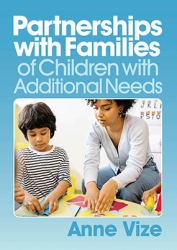
Universal design for learning is an inclusive education strategy and resource design approach which takes some of the hard work out of individual planning for supporting students with diverse needs. It begins with thinking about the tools, tasks and resources you need to support student learning, then building differentiated instruction methods that are an integral part of the design. Features like embedded audio, text-to-speech, captioning and symbol-based communication can all provide universal design for learning so that students can use the features that work best for them. Remember you are not alone when you are developing inclusive learning strategies for diverse learners. Working in partnership with families and supporters to develop a holistic approach that reflects culturally responsive teaching is a great way of supporting the whole child. There are also many other professionals, support services and members of your own learning team who are ready and willing to help you plan inclusive teaching practices that work and make sense for your setting.
Conclusions on inclusive teaching strategies
Supporting diverse learners through inclusive teaching strategies is an ongoing, collaborative effort. By using classroom accommodations, differentiated instruction and embracing neurodiversity, educators can create an environment where all students feel valued. Remember, early childhood inclusive education and primary school inclusive practices are foundational in ensuring that every child’s needs are met. With continuous learning, support from families and responsive teaching, we can foster an inclusive educational experience that benefits all learners.
About the author
Anne Vize specialises in writing for children and young people who learn in different and unique ways. She is a special educator and writer from Melbourne and works to develop print and digital resources for children, their teachers and supporters. She works in the vocational sector developing learning resources for training providers and creates freelance content to support the new vocational major curriculum in Victoria. Anne is fortunate to be able to divide her time between writing and exploring the wonders of sailing and windsurfing on the stunning Port Phillip Bay.