Categories

TAGS

ARCHIVES

Tag: Story Seekers

Archives

RECENT POSTS

Tag: Story Seekers

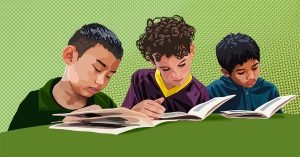
Story Seekers is Essential Resources’ answer to “How to help struggling readers?” These are a variety of fiction and non-fiction chapter books aimed at reluctant readers. The books take an integrated literacy approach through:   

  • a focus on linguistic comprehension and phonemic and phonological awareness 
  • reading level-specific vocabulary 
  • highly engaging text 
  • graphics to support visual comprehension. 

Our blogs introduce you to the Story Seekers series. You will gain ideas for further literacy support – ways to develop fluency or comprehension strategies for NZ students. As you read our blogs and explore our English resources, you will discover Essential Resources is your language and literacy hub.  

Teaching Reading Christine Braid

The texts we need for teaching reading

When teaching reading, selecting the right texts is crucial for supporting learners’ progress. Decodable texts are essential for early readers as they reinforce specific phonics patterns and strengthen neural pathways for decoding words. However, over-reliance on decodable texts can limit exposure to high-frequency words, impacting reading fluency. Dr. Christine Braid explores strategies for teaching reading and learn how to balance different text types based on individual learners needs.

How to build confidence in struggling readers

How to build confidence in struggling readers

Few skills are more important in today’s world than reading. Yet, even though it is crucial, reading literacy has tracked downwards in New Zealand in the last 20 years. So how can we support struggling readers and build reading confidence?

engage young readers

How to engage young readers

Leaning on his time as a teacher, Paul Mason, highly published children’s writer, reflects on how he puts the child at the heart of what he writes – wanting children to see themselves in his stories.

Teaching dyslexic readers

Tips for teaching dyslexic readers

Students with dyslexia struggle to learn to read and spell. Compared with their peers (of the same intelligence, age or year level), dyslexic students progress at a slower rate and participating in reading, spelling and writing activities involves much more effort for them.

Enrol Now

How to Build Writing Success Sentence by Sentence Course

Enrol Now

How to Teach Writing, Spelling and Grammar

Enrol Now

Building Social and Emotional Skills and Wellbeing

Enrol Now

Cultural and Social Inclusion

Enrol Now

Foundations of Communication, Language and Literacy