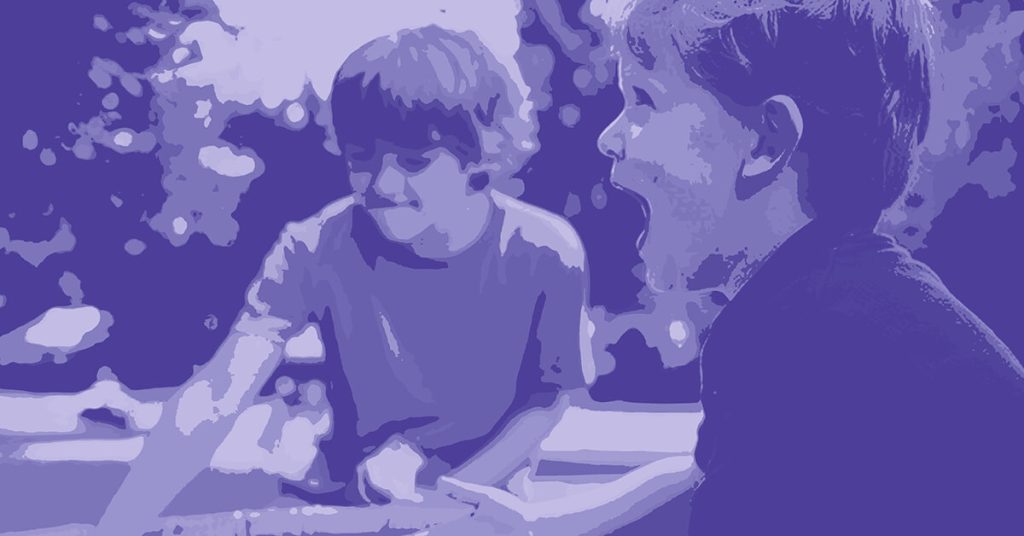
The research is clear. Children’s early years are a critical point for their social and emotional development. The emotional experiences and social interactions children have during this time, shape the wiring of their brains. In fact, in the first five years, children’s brains develop connections faster than in any other period of their lives. This gives early childhood educators a unique opportunity to support children’s social and emotional development through their teaching practices.
Educators can help children learn to regulate their emotions, engage in positive interactions and self-manage their behaviours – develop their social and emotional competence.
“Emotional and social development is best supported by early childhood teachers when they offer an emotional and social curriculum with the same intensity, thoughtfulness and time as they do literacy, technology, and mathematics curriculum.” (Albrecht, Fiechtner & Forrester, 2016)
The question then is, how to implement an “emotional and social curriculum” within early childhood education (ECE) settings?

Be intentional with your practice
Early childhood educators should intentionally teach, model and provide opportunities for children to practice their social and emotional skills. As Anne Houghton explains, intentional teaching is when educators are deliberate and purposeful with their decisions and practices.
Instead of focusing on procedures that only deal with challenging behaviours, have a policy to support children’s social and emotional development. Involve their families in the process and use it as an opportunity to see what behaviours are expected and appropriate.
Understanding families’ expectations will help teachers to identify the children’s learning priorities. Additionally, social skills should be deliberately taught. Use role-play for children to rehearse catching each other’s attention or complimenting one another.
The same applies to emotional skills. The vocabulary of emotions should be part of the ongoing curriculum. Use children’s literature or classroom materials (like a feeling thermometer) to teach them how to express their emotions.
Modelling is another intentional practice for social and emotional development. To support social development, teachers can model turn-taking or how to invite another child to play. Modelling also helps children to understand how to regulate their feelings, behaviours and thoughts. This occurs when children experience frequent warm interactions with the adults in their lives.
Lastly, regular opportunities should be provided for children to practice their social and emotional skills. This can be through structuring routines and activities to promote social interactions or having a quiet space for children to calm down.

Respond to learning opportunities in social and emotional development
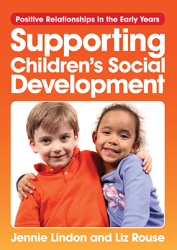
Learning opportunities can arise spontaneously. Early childhood teachers should make the most of these opportunities to help build social and emotional competence. As Jennie Lindon and Liz Rouse say in their resource for early childhood educators, Supporting Children’s Social Development:
“Even the very youngest children are aware of each other, and alert educators can see those early social contacts.”
For example, ECE teachers should watch for subtle cues that a child is interested in another’s play. Young children show their interest by mimicking the actions of others. When these situations occur, look for ways to encourage interaction and bridge children’s play.
Just as crucial is a prompt response to distress. Children build resilience when they know their calls for help receive attention. The resilience helps them to better access and build stress-coping strategies.
Create positive relationships and interactions
As mentioned previously, children learn from the interactions they have with their peers and teachers. Interactions between children offer an array of opportunities for children to learn, practice and refine their social skills. These interactions are underpinned by other skills such as language, empathy and emotional regulation.
Creating friendships is a crucial social developmental task for children. Practice teaches them how to be a friend, make friends and maintain relationships. Teachers can support friendship by:
- Using child-centred strategies to encourage children to practice their social skills during play – Such as helping onlookers join in or following a child’s lead.
- Helping children to understand the social behaviours of others – For example, priming children with ideas as to how they might respond to being approached by a peer.
- Providing opportunities for complex play – Challenging play, like sociodramatic play, expands children’s social skill repertoire.
Another factor to consider in establishing positive interactions is the teacher’s well-being. Being mindful, calm and positive leads to educators who are reflective rather than reactive when challenging situations arise within the education setting. Teachers should learn their own stressors and triggers and develop strategies for dealing with these.

A tremendous amount of social and emotional development occurs in the early years. Early childhood educators can aid children’s development by being intentional with their practice and responding to learning opportunities when they arise. Lastly, they should strive to create positive relationships and interactions within ECE settings.