Teaching times tables, division, and multiplication are critical components of primary maths education. Equipping primary students with good number knowledge sets them up for future academic success. Multiplication, division, and times tables are key areas in the Aotearoa New Zealand Curriculum – and they can be fun too!
Planning engaging maths lessons can foster a lifelong love of maths. Furthermore, if children find maths activities enjoyable, they are more likely to stay motivated and engage deeply with the material. Read on to discover the importance of key maths topics like multiplication, division and times tables.
Why is teaching times tables, multiplication and division important?
Understanding multiplication, division and times tables is fundamental in primary education and beyond. These mathematical concepts form the bedrock of number knowledge, enabling students to perform more complex calculations and solve real-world problems.
Teaching times tables, such as the 2 times tables, 4 times tables and 10 times tables, is essential. Times tables provide a structured way to apply multiplication, making it easier for students to grasp more advanced concepts.
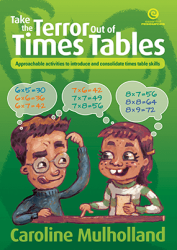
Despite their essential nature these topics remain daunting for many students. Caroline Mulholland’s Take the Terror Out of Times Tables acknowledges and addresses this through activities that gradually build confidence. Similarly, the Building Maths Fitness series uses cards of increasing difficulty to help students develop their skills over time. As students see their progress through tables worksheets and multiplication worksheets, they gain confidence in their mathematical abilities. This sense of accomplishment can inspire a positive attitude towards learning and encourage further exploration of mathematical concepts.
What are the benefits of teaching times tables, multiplication and division important?
Learning multiplication, division, and the times tables offers several benefits that extend beyond the classroom. The ability to quickly recall times tables and perform multiplication and division helps in various practical situations. For example, students can apply their knowledge when cooking, budgeting, or shopping.
Understanding how to calculate quantities, manage finances and make comparisons enhances their overall problem-solving skills and confidence. Solving Real-world Maths Problems has been specifically designed to stretch students’ maths skills using a variety of real-life situations. The easy-to-follow activity cards help students identify processes to help them solve everyday problems.
Engaging primary maths activities
Incorporating fun, interactive activities into your teaching strategy can make maths both enjoyable and educational. By using a mix of games, hands-on learning tools and creative exercises, you can help students build strong number knowledge while developing their problem-solving skills.
Establishing Learning Outcomes
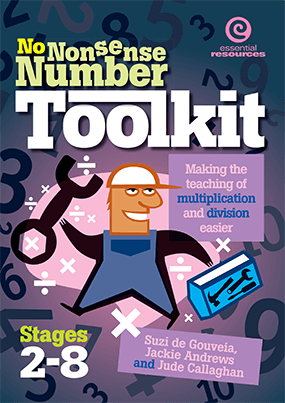
Before diving into any activity, it’s crucial to establish clear learning outcomes. No Nonsense Number Toolkit – Multiplication and Division includes helpful reusable learning outcome cards, which provide students with a practical example of each strategy.

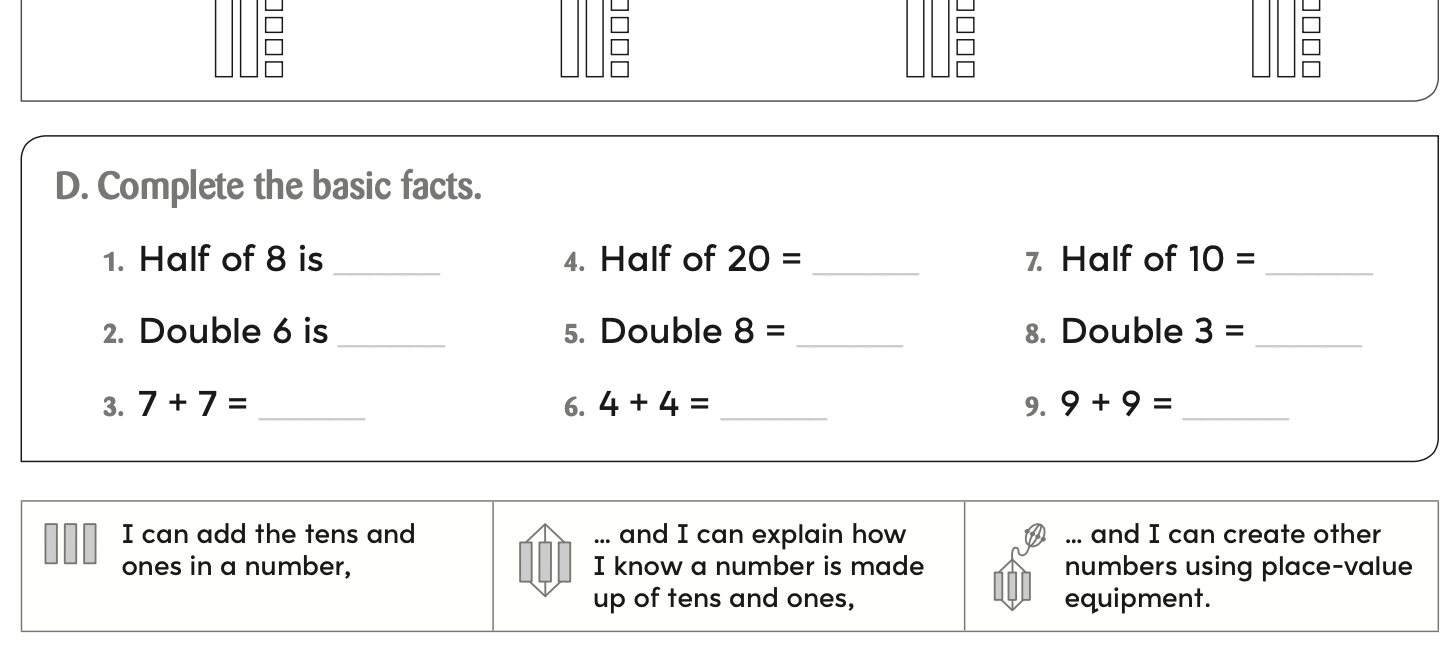
The Be Maths Smart series also features learning intentions inspired by SOLO Taxonomy on each page. This makes the objectives clear to you and your students. By understanding where they are at, students can then progress their learning.
Alternatively, in Accelerate Progress with Maths, Katie Penicott suggests setting a whole class goal. An effective approach to setting goals includes:
- looking across the stages and search for common themes. For example, forwards and backwards numbers, word sequences, number bonds, aspects of place value
- finding common needs and gaps in your students’ assessments
- creating one specific goal for each week of each term
- cycling the goals across the year so that you focus on each goal at least twice
- recording the goals in a plan for the term, include relevant links to YouTube clips that support the goal. The class watches or listens to the video during tidy-up time each week.
Using stories
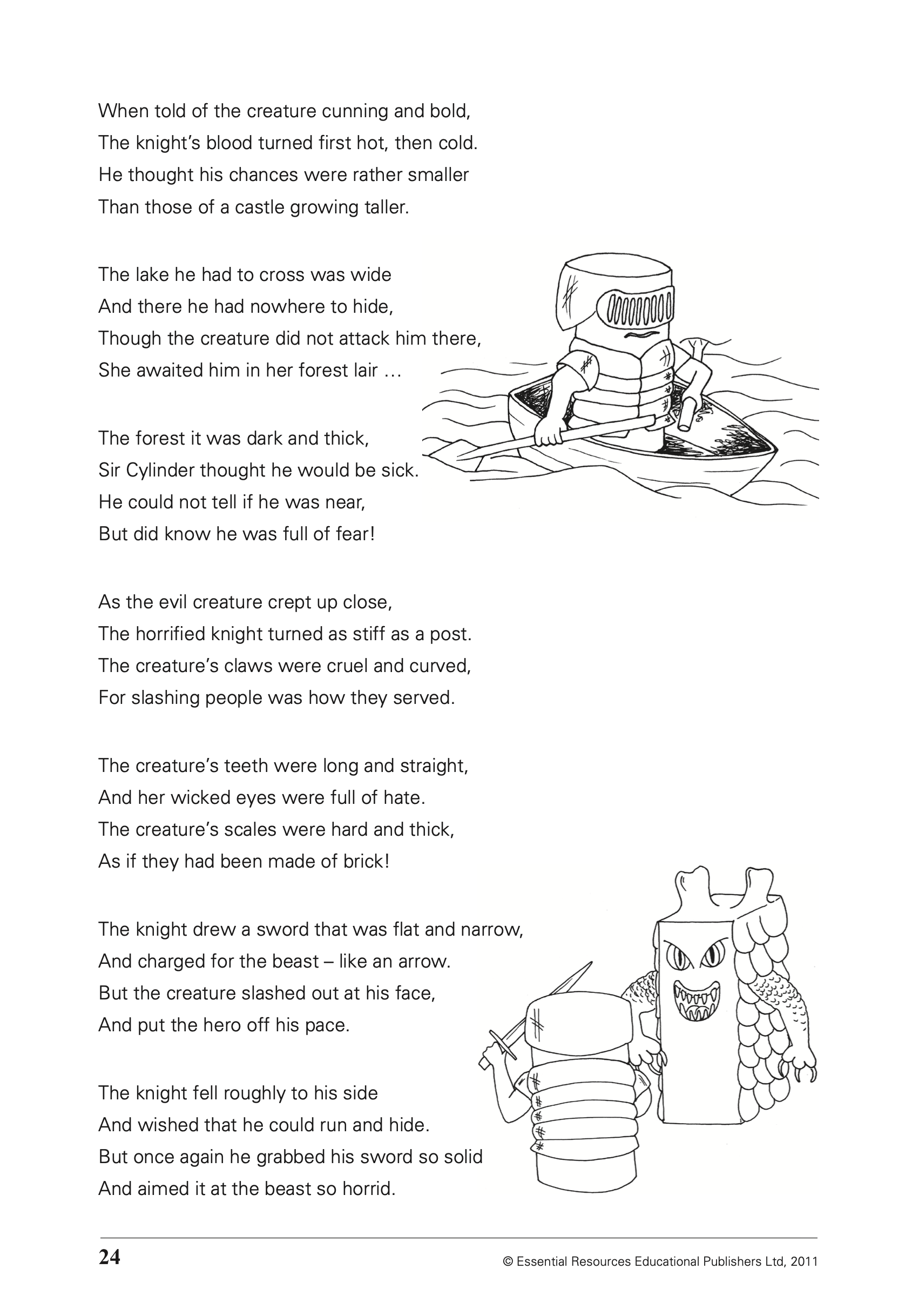
Using Stories to Teach Maths is a lively series that uses original stories to teach maths topics. This fresh angle adds an element of fun that appeals to disengaged learners. Using stories helps primary students to remember key concepts. Read each story twice – once in full then again, stopping each time a maths concept is introduced.
Games
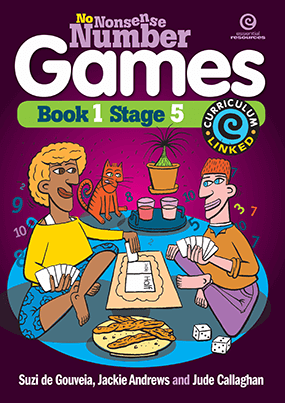
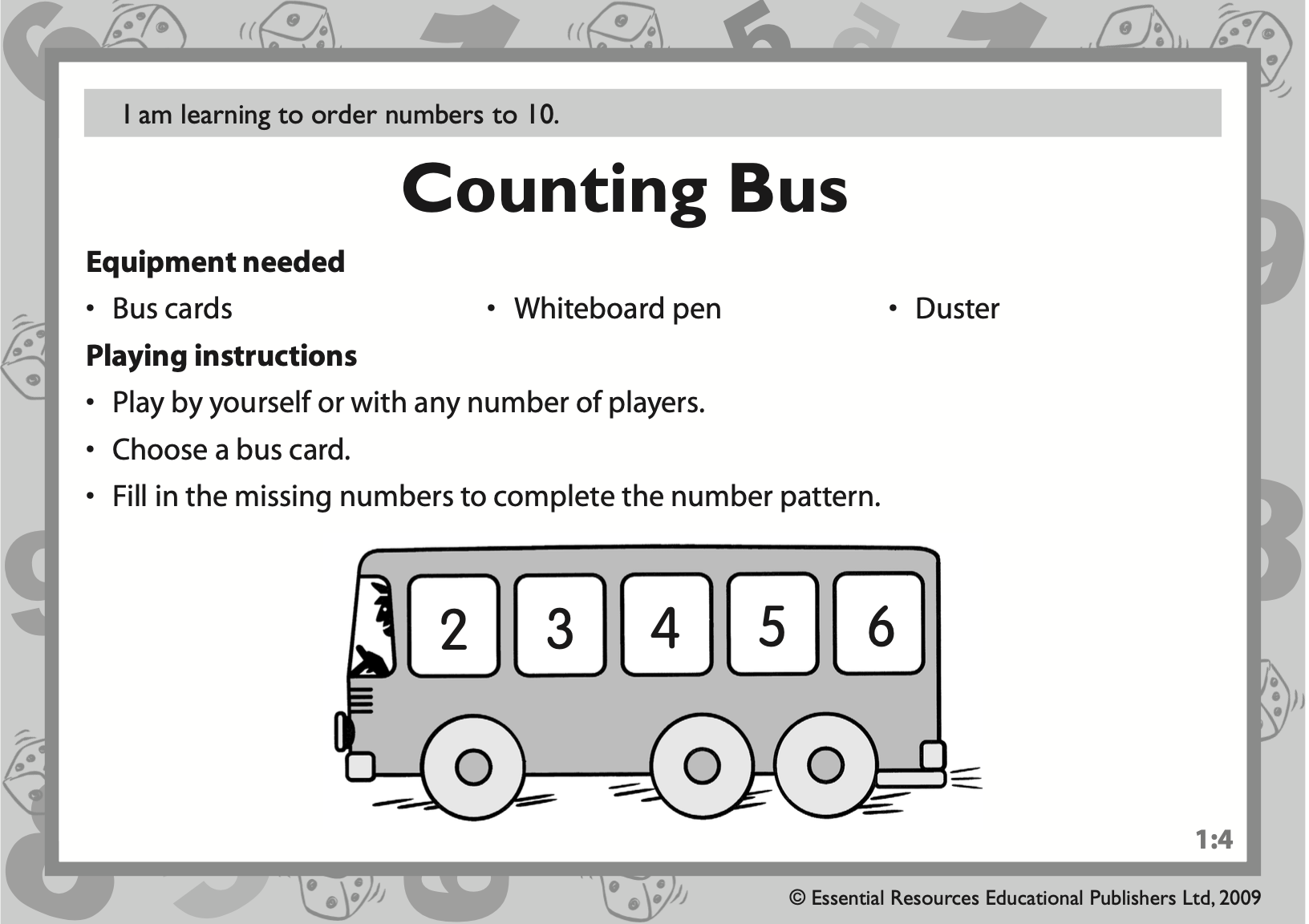
Make working towards identified learning intentions fun with the No Nonsense Number Games series. These games can be played for multiple rounds as the repetition of each game reinforces number knowledge. Each time a group plays a game they could begin with a pile of 10 counters set aside. Each time someone wins a game that child takes one counter. This system will show who the overall winner is and ensures that each game is played 10 times.
Conclusions on teaching times tables, multiplication and division important?
Teaching times tables effectively can transform a student’s relationship with mathematics. Activities featured in resources such as Take the Terror Out of Times Tables, can help encourage hesitant learners to enjoy maths. In supporting students to master multiplication and division, educators are setting them up for success in school and life.
The games, stories and structured learning outcomes in this blog provide a robust framework for making number learning fun. For more guidance and activities, check out our comprehensive range of mathematics resources.