Behaviour that challenges in early childhood can be some of the most difficult aspects of an educator’s role. These behaviours – such as tantrums, aggression, defiance or withdrawal – are often misunderstood as simply ‘naughty’ or disruptive. However, research shows that they are a form of communication, signalling unmet needs, emotional distress or difficulty with self-regulation.
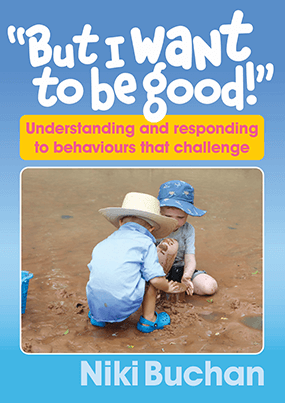
Expert author Niki Buchan says, ‘Often behavioural issues occur when educators struggle to be adaptive to a child’s individual needs in a room full of other children.’ (“But I want to be good!” Understanding and Responding to Challenging Behaviours, p 5)
By shifting our perspective, we can create a supportive learning environment that fosters emotional wellbeing for all children. Below, we explore four practical, research-backed approaches to supporting children with behaviours that challenge in early childhood.
Understanding the ‘why’ behind behaviour that challenges
Before responding to a child’s behaviour, it’s essential to understand the reasons behind it. Niki Buchan writes…
The most common reasons behind behaviour that challenges are either normal development or unmet needs that cause stress such as tiredness, hunger, sensory processing issues, anxiety, and a sense of lack of connection and lack of freedom.
"But I want to be good!" Understanding and Responding to Challenging Behaviours, p 6
She explains that investigating with empathy, observing patterns and identifying triggers can make a significant difference in approaching behaviour guidance.
Practical strategies for behaviour that challenges
- Keep a behaviour journal to identify patterns and triggers.
- Use open-ended questions to help children express their emotions eg, “I see you’re upset. Can you tell me what’s wrong?”
- Validate feelings while setting boundaries eg, “It’s okay to feel angry, but we use gentle hands.”
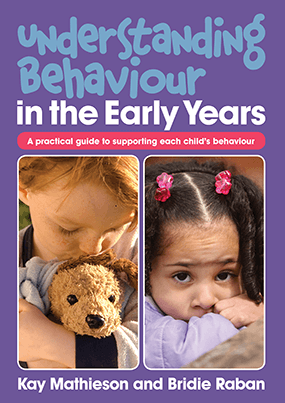
By recognising that behaviour is communication, educators can respond to behaviour that challenges in early childhood in supportive ways. For more guidance on interpreting children’s behaviour, dive into Understanding Behaviour in the Early Years.
Creating a predictable, safe learning environment
In “But I want to be Good!” Niki says, ‘Children are more likely to thrive in calm environments where the risk of sensory overload is reduced.’
Young children thrive on routine and predictability. A well-structured, sensory-friendly environment can help minimise stress and prevent behaviour that challenges from escalating. When children feel safe and secure, they are more likely to engage positively with their peers and educators.
Niki has suggestions to create a positive sensory environment:
- replace bright primary colours with muted, neutral and natural colours
- provide natural wooden furniture and resources where possible
- replace bright ceiling lights and spotlights with table or floor lamps to create gently lit, cosy spaces
- encourage children and educators to move towards another person and speak directly to them rather than shout across the space
- become aware of any strong scents including cleaning products, perfumes and foods that may trigger some children
- be aware that some children may struggle with strong-tasting food. Offer alternative, blander foods and consider seating these children away from the stronger smells.
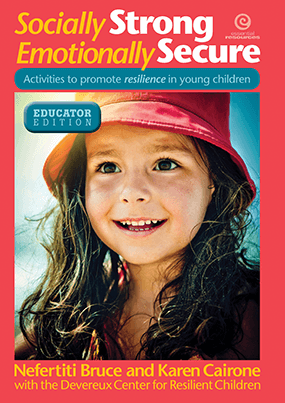
By fostering a calm and predictable environment, educators can support children in developing self-regulation skills and reducing anxiety-driven behaviours. For more guidance on self-regulation techniques for young children, check out Socially Strong, Emotionally Secure.
Using positive behaviour guidance
“But I want to be Good!” includes insights into the damaging effects of punishment on children.
Author, Niki Buchan, explains some adults may use rewards and punishments to address misbehaviour, which is viewed as intentional. This response does not address the potentially serious underlying issues the child may have. Indeed, it may aggravate issues by making the child feel ‘inferior’ to their peers when they are struggling to comply.
It helps to know that the child is not out to ‘get’ the educator by being intentionally disruptive. Rather, they are trying to communicate a need.
Instead of focusing on punishment, positive behaviour strategies emphasise connection before correction. When children feel understood and supported, they are more likely to respond positively to behavioural expectations. Niki Buchan says, ‘Effective communication is an important life skill that educators can help children to develop by modelling appropriate positive interactions.’
She suggests the following steps when communicating with children:
- speak slowly and clearly at child height
- make eye contact and face the child
- give concise, clear messages
- avoid sarcastic comments as they can be cruel and confusing, are very complex and send mixed messages.
Children learn best through positive reinforcement and modelling. By guiding them with empathy and consistency, educators can help shape appropriate social and emotional responses.
Supporting educators’ wellbeing
Supporting children with behaviours that challenge in early childhood can take an emotional toll on educators, leading to burnout. Prioritising self-care and creating a supportive workplace culture is essential for maintaining educator wellbeing and effectiveness in the classroom.
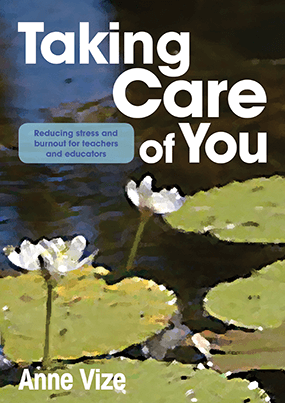
In Taking Care of You, Anne Vize makes the following suggestions:
- develop proactive policies that prioritise and support mental health in the workplace
- strengthen leadership and communication skills to foster a supportive and inclusive environment
- increase mental health awareness by learning more about its impact and best practices for support
- connect with local support services to build professional relationships and ensure employees have access to external help when needed
- adopt flexible work practices that accommodate unexpected events, family commitments, and other life challenges
- encourage openness and adaptability to create a workplace culture that values wellbeing
- promote shared responsibility by ensuring all team members contribute to the wellbeing of junior staff
- take a firm stance against workplace bullying, identifying and addressing issues proactively
- normalise conversations about mental health, making it safe for employees to seek support
- leverage Employee Assistance Programs (EAPs) by raising awareness and encouraging staff to use these services.
When educators feel supported and well-equipped, they can respond to challenging behaviours with patience, fostering a positive learning environment.
Strengthening behaviour guidance in ECE
By understanding the causes of behaviours that challenge and applying positive guidance, educators can create a more harmonious early learning environment. These approaches not only support children’s emotional wellbeing, but they also empower educators to manage behaviours with confidence and care.
For further strategies, explore Niki Buchan’s book, “But I want to be good!” Understanding and Responding to Challenging Behaviours. Additionally, educators can deepen their learning through our Building Social and Emotional Skills and Wellbeing professional development course. For more insights into behaviours that challenge in early childhood, check out Niki’s blog on supporting children with challenging behaviours.