Summer arrived early and shone at the inaugural Ignite Reading and Writing workshop in Christchurch, on the 22nd and 23rd of October. Primary school teachers, kaiako and leaders from as far as Auckland and Whangarei to Alexandra and Granity, packed our venue for a two-day workshop focused on supporting reading and writing for Tamariki in our Kura and primary schools.
The brainchild of Dr Helen Walls (The Writing Teacher) and Dr Christine Braid (Curlylines), the Ignite Reading and Writing workshop consisted of ten professional learning development sessions for primary teachers and leaders across the two days – and was created in response to the popularity of the Wellington Write Right Symposium in May.
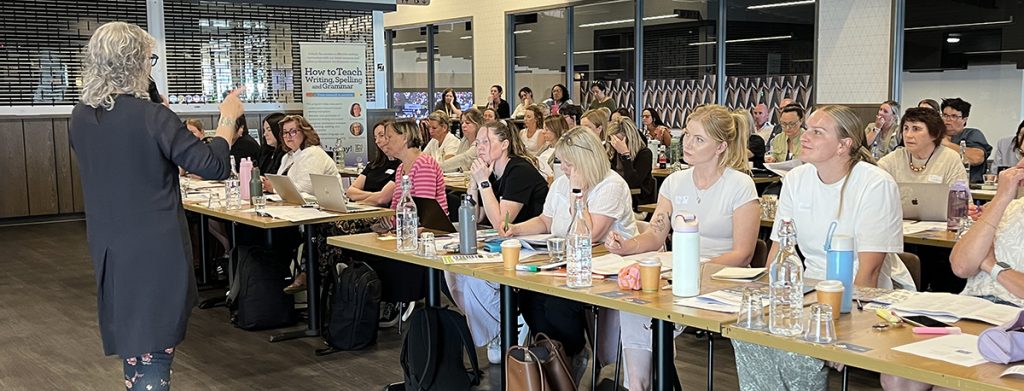
The presenters, Dr Helen Walls and Dr Christine Braid, alongside literacy specialists, Caroline Morritt and Marina Mounsey, brought together an exceptional range of skills. These included research-led best practice and practical experience, as well as collections of tips and tricks for everyone to try back in class.
Day 1: Reading
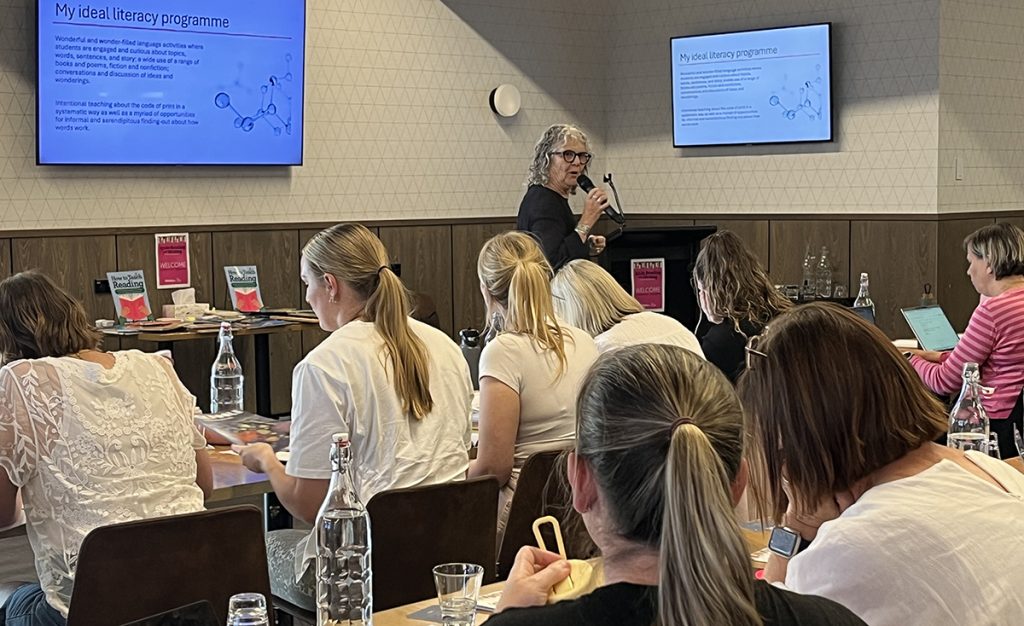
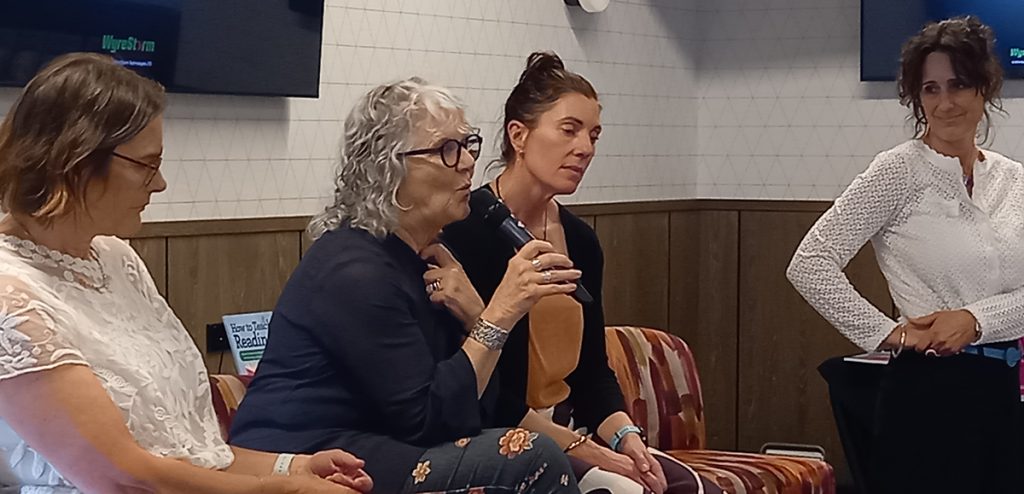
Day 1 was entirely dedicated to reading, with all four presenters providing sessions that looked at:
- choosing texts for a range of needs
- practical, evidence-based tools to support decoding, encoding and comprehension
- an introduction to Isabelle Beck’s “Syllasearch”
- using a wide range of books with purpose across primary school
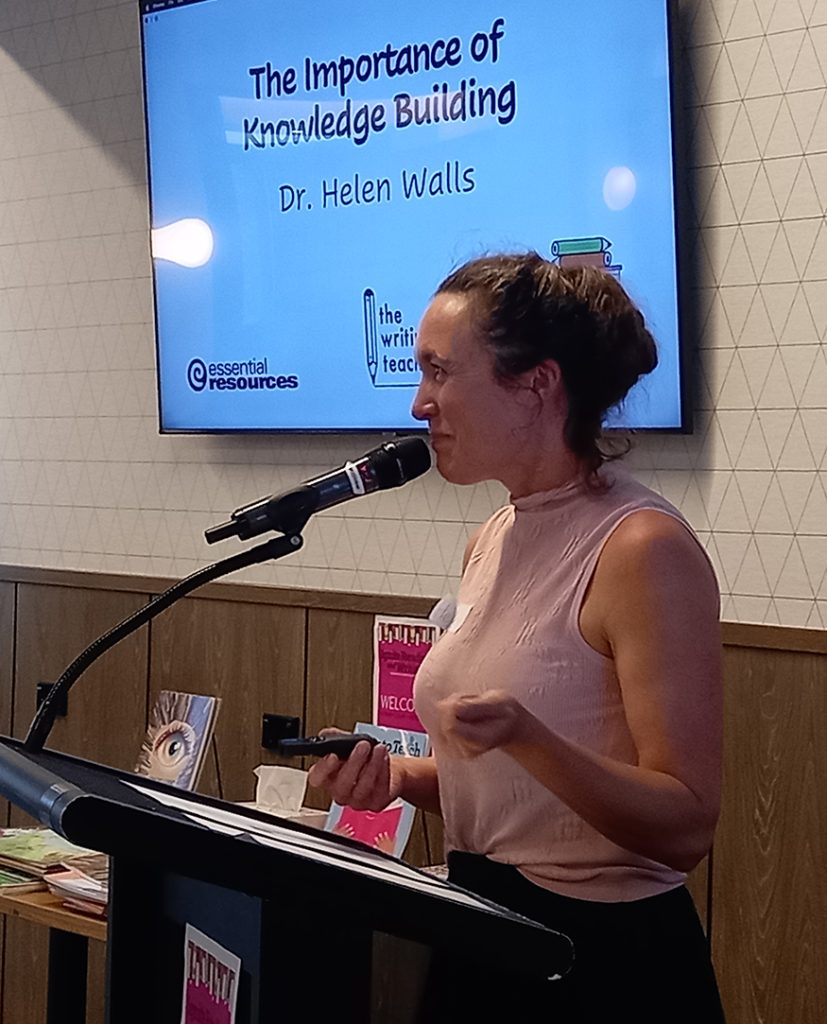
- the importance of teaching knowledge to raise achievement in reading comprehension.
Day 2: Writing
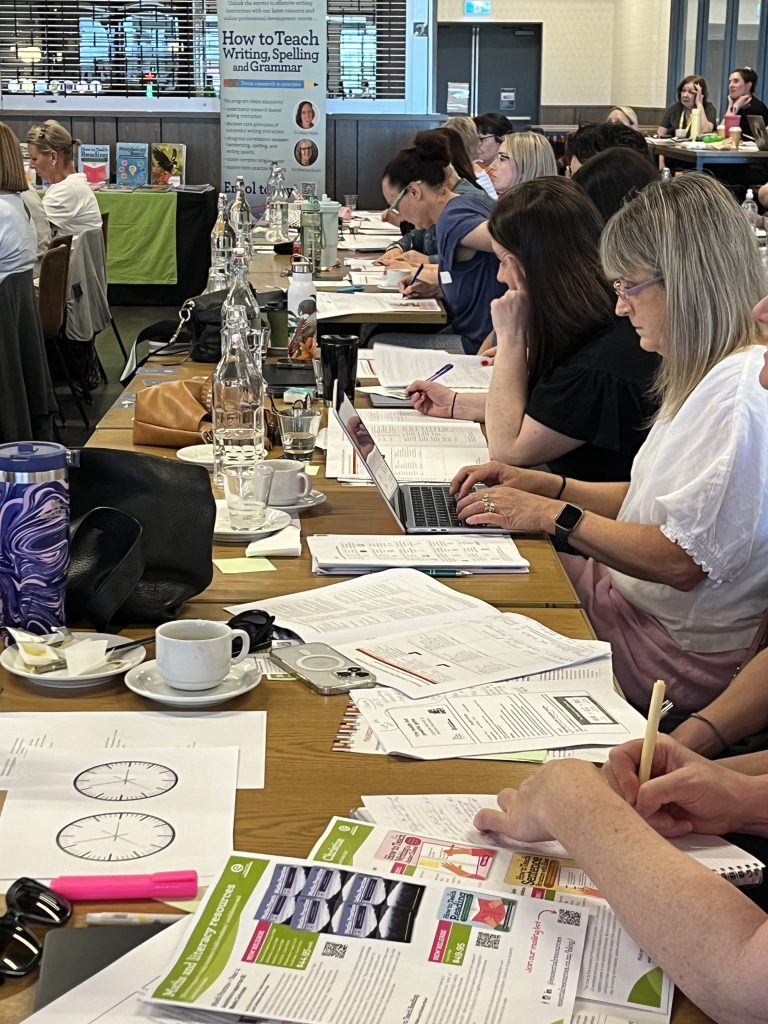
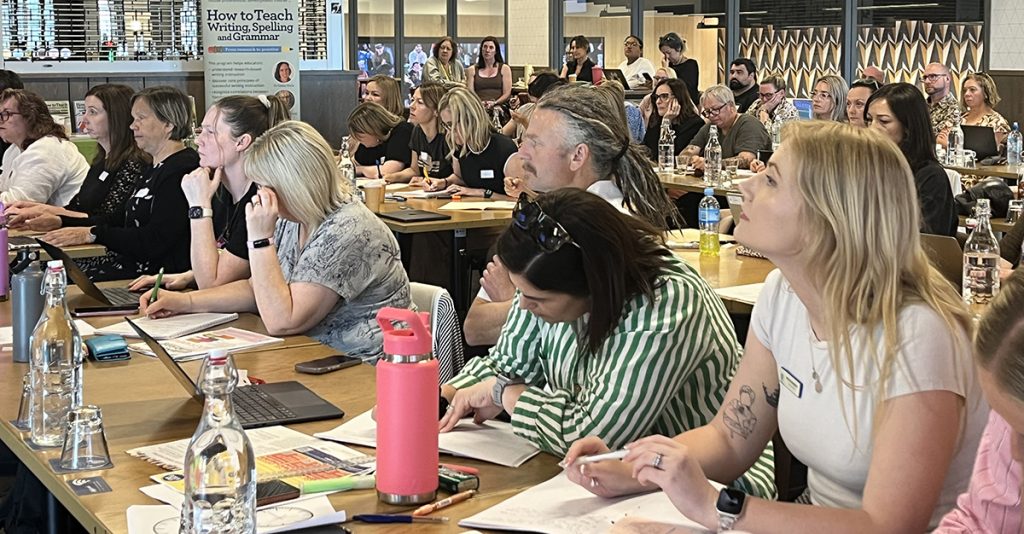
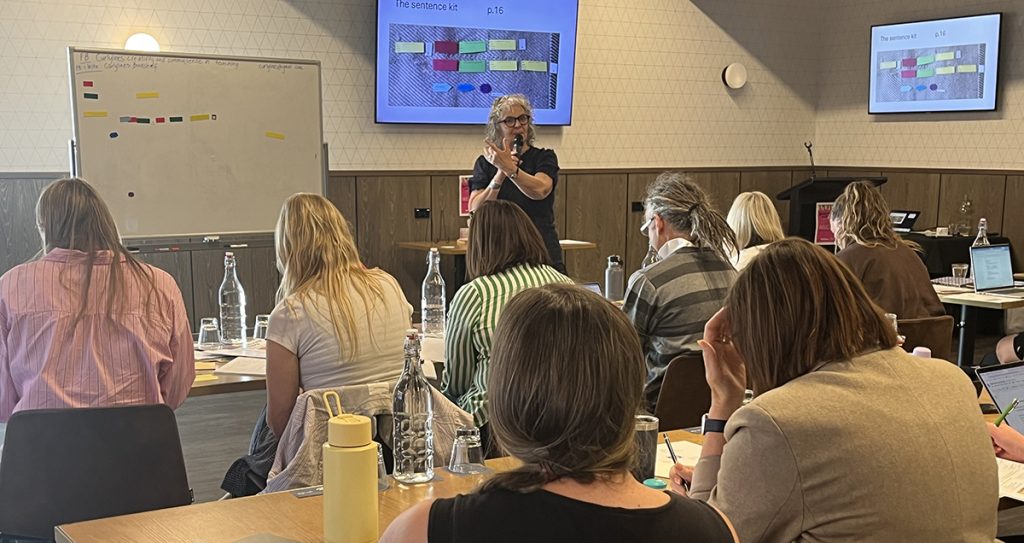
Day 2 was another blissfully sunny day, as we all turned our attention to writing.
Topics included:
- writing on extending topics, supporting spelling, and reading and checking at the sentence, paragraph and whole text levels.
- catering for a range of needs in writing classrooms
- understanding how to use your spelling knowledge to explicitly teach spelling lessons using the basics
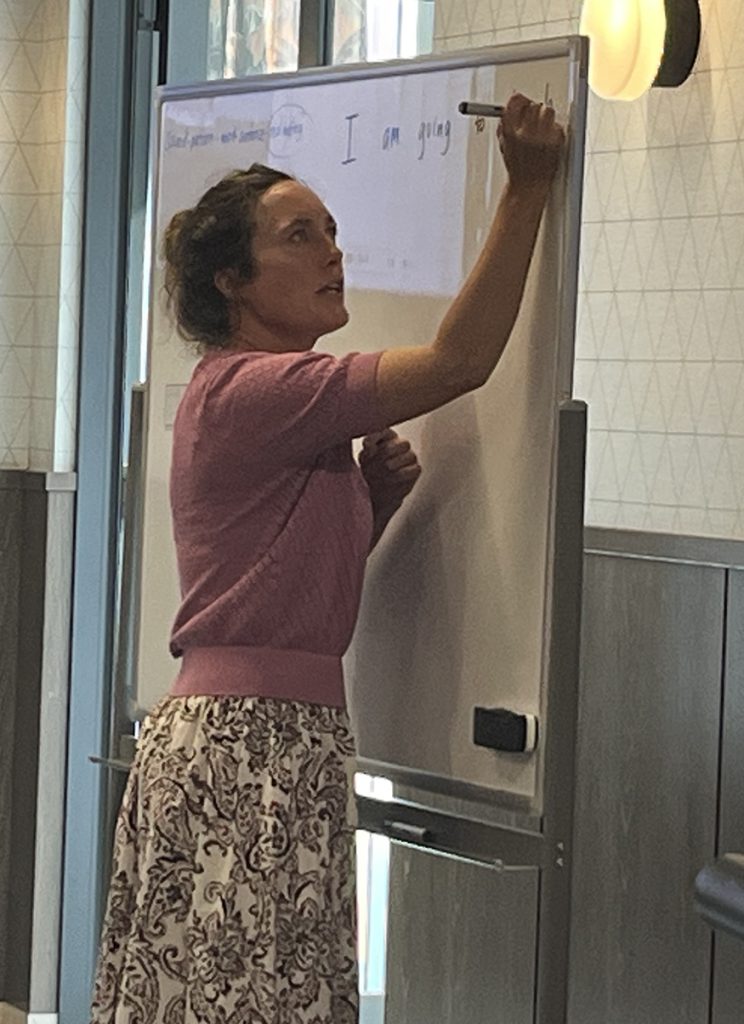
- the knowledge we need for understanding and teaching sentence structure.
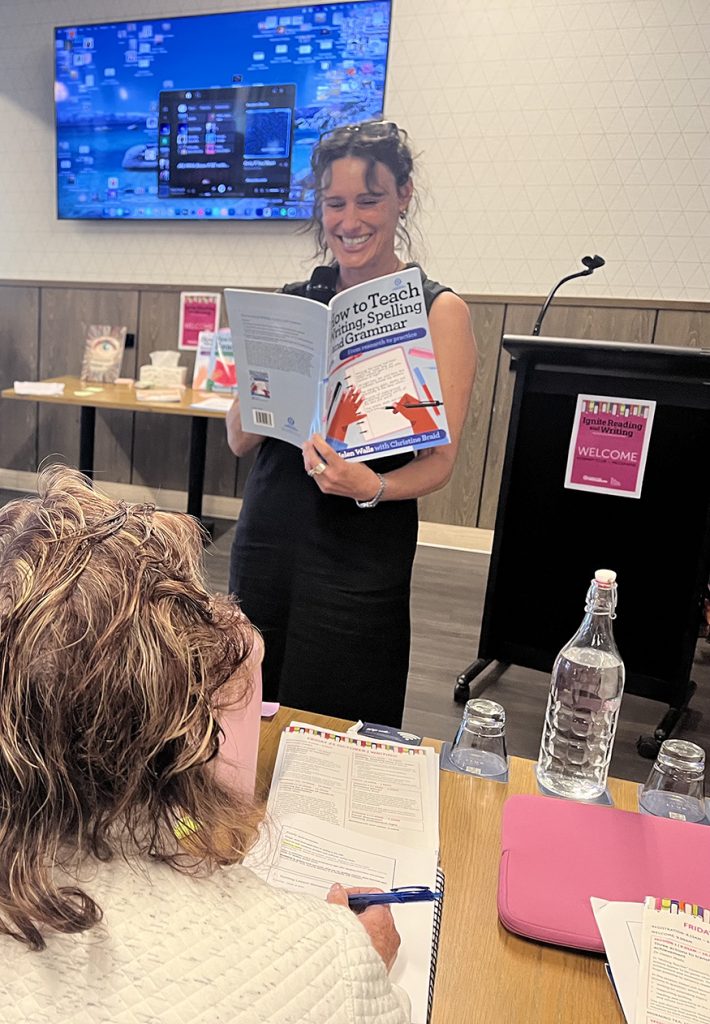
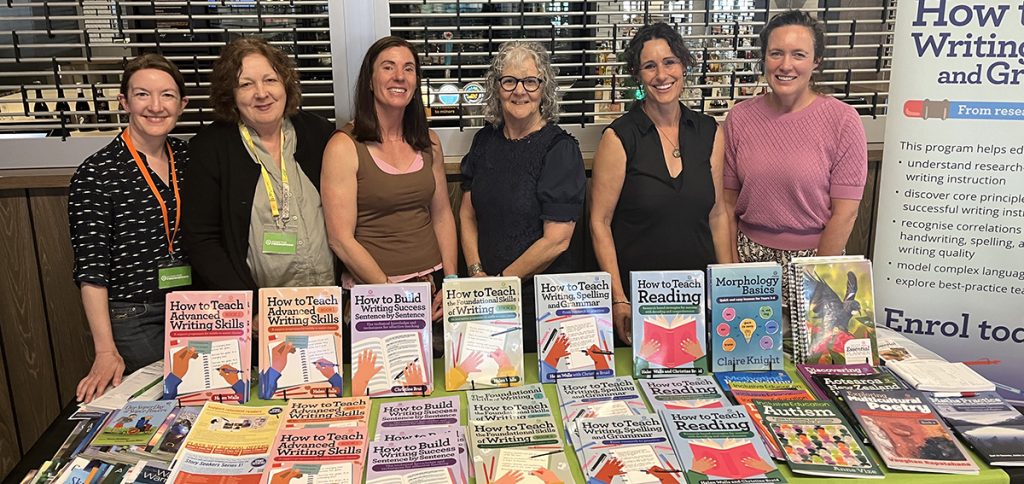
It was also wonderful to chat to everyone who browsed and bought copies of Helen and Christine’s How to Teach books, as well as our ever popular Essential Teacher Planner, Inclusive Education, and Story Seekers range.
On reflection
A shared sentiment throughout the workshop was the difficulty of knowing how other schools across the motu are doing – especially during this time of change. Teachers are wondering: Are our struggles the same? Are we doing better (or worse) than we realise? Are there solutions out there we could try? This is where in-person workshops like Ignite are often most valuable.
Several sessions provided opportunities to hear the perspectives and experiences of the teachers in the room, and the teachers and kaiako who spoke were generous with their experiences, brave with their questions and thoughtful in their advice.
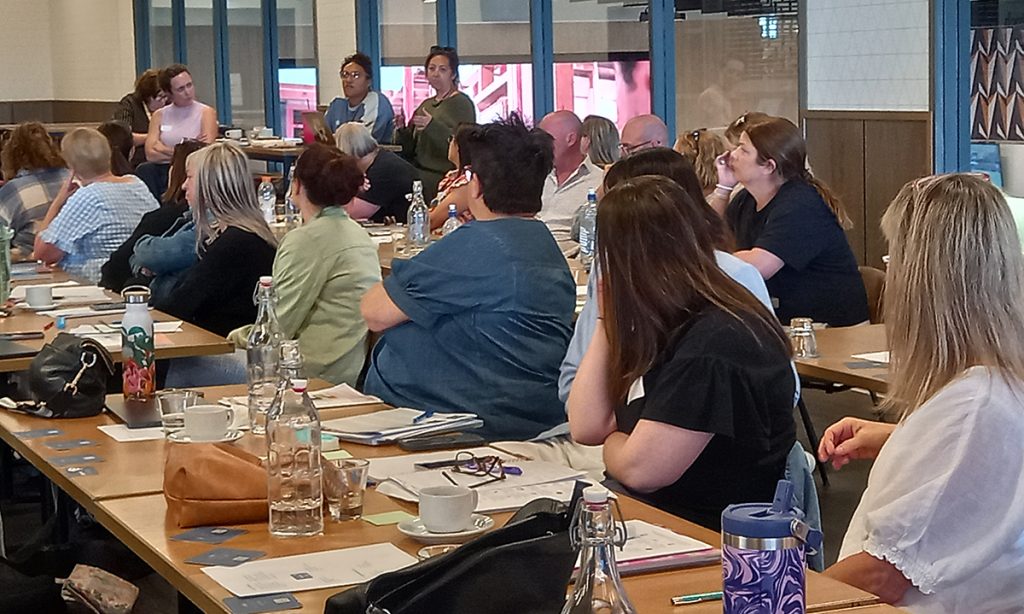
It was inspiring to see a room full of teachers, leaders – and even our expert presenters, all nodding and turning to each other as a particular point hit home for everyone.
What teachers thought about Ignite Reading and Writing
After the event, we were humbled by the overwhelming support and positive feedback we received from teachers who participated in Ignite Reading and Writing. Hopefully we connect with you again through one of our professional development sessions, either live or online!
I felt validated in my thoughts about reading and writing instruction and the importance of a love of reading and writing.
Samantha Carrick-Eade, Diocesan School for Girls
… filled with practical ideas and bringing more joy to reading.
Kim Wallace, Eskdale School
… reminded me of the passion I used to have for reading picture books in an unhurried, authentic way to bring joy to Tamariki.
Gina Keating, Te Kura o Tuahiwi
She [Helen] has a way of making the complicated make sense.
Kris Barrow, Clarkville School
A great blend of tips and tricks, as well as research informed ideas.
Rachel Petrie, St Gerards School
The last two days has been a real eye opener for me and my colleague who are the Literacy Leaders and Team Leaders for our school. It opened up so much discussion between us and will change aspects of our intended pathway for next year.
Kristin Dudley, Cotswold Mātāhae School