In early childhood education, literacy begins long before formal teaching. It grows in everyday moments – during play, conversations, routines and relationships. As an educator, you’re in a powerful position to create spaces that nurture language, curiosity and communication from the start. Literacy-rich environments aren’t about doing more – they’re about doing what you already do, intentionally.
In this blog, we explore practical ways to embed early literacy into your environment and routines in ways that feel natural, inclusive, and joyful. Whether it’s writing a child’s name, reading a sign together, or sharing a favourite story, every interaction helps children connect with the magic and meaning of language.
Using play to strengthen foundational literacy skills
In early childhood education, we know that learning doesn’t just happen at mat time or during a group activity – it’s woven into the day, sparked by play, relationships and curiosity.
Literacy is no different. It begins long before a child starts school, in the everyday moments when they talk, listen, explore, and express themselves in all kinds of ways. As early childhood educators, your team has a unique opportunity to set the stage for strong literacy foundations. You shape the spaces that invite children to discover the joy and purpose of language!
In this blog, we explore practical strategies to help build literacy-rich environments that feel natural, meaningful and inclusive – where every child can connect, create and communicate.
Why are literacy-rich environments essential in early childhood education?
We see it every day – children learning through doing, saying, trying and imagining. That’s why literacy-rich environments are so important in the early years. They surround children with opportunities to make sense of language in real and relevant ways.
Use of best practice for early literacy development in children is closely tied to later reading and writing success. When children are immersed in environments where they see, hear and play with language, they begin developing key skills like phonological awareness. They also give their oral language a boost and evolve an understanding of how letters and sounds work together.
It’s not about doing extra literacy activities for your children – it’s about noticing and intentionally using the everyday moments you have already to build those foundations. Whether you’re reading together, labelling a play area or sharing a joke with a child, you’re helping them move closer to becoming effective communicators.
What are the key features of an effective literacy-rich space?
There’s no single blueprint for literacy-rich environments. What matters is that it reflects the children in your care and encourages language exploration in a variety of ways. Here are some things to consider.
- Include meaningful print – labels, signs, charts and visuals that are relevant to children’s experiences and invite your children to help create them.
- Make literacy tools visible and available – clipboards, paper, pencils, magnetic letters, chalkboards, storytelling props – the more accessible the better.
- Create spaces for expression – whether it’s a quiet corner for books, a puppet theatre or a stone basket, offer areas that encourage storytelling and communication.
- Model real-life literacy – when children see you writing a list or reading a note, they begin to understand how literacy works in everyday life.
- Celebrate all languages and cultures – texts and signage that reflect the diversity of your centre and the communities you work with.
Most of all, make it fun! Literacy-rich environments don’t need to be formal. They should feel inviting, playful and alive with possibility.
Practical ways to promote reading and writing through everyday routines
One of the best parts about supporting literacy in ECE is that it can happen anywhere – during meals, outside play, tidy-up time and everywhere in between. Here are a few simple ideas.
- Use children’s names often – cubbies, sign-in sheets, artwork and displays. It helps them connect letters with identity and meaning.
- Incorporate rhyme and rhythm – transition songs, silly rhymes and familiar chants help develop phonological awareness.
- Ask open-ended questions – during routines and play allow children space to respond, explain or share their thoughts.
- Label objects and areas together – write words with children to help deepen their engagement and understanding.
- Tell and retell stories – encourage children to act out favourite books or make up their own. Use puppets, story stones or felt boards to bring stories to life.
These little moments add up. When literacy is naturally part of the day, children gain confidence and see reading and writing skills as something they can do.
How can environmental print support letter–sound knowledge and early literacy?
We often think of print as something that lives in books – but it’s also all around us. Environmental print, like food packaging, signs and posters, is a treasure trove available to support early literacy.
- Use food packaging in play – let children ‘read’ cereal boxes, write shopping lists and design their own labels. They can be just as engaging as a storybook.
- Spot letters in the environment – while out with the children, say “That stop sign starts with the letter ‘S’! Can you think of any other words that start with ‘S’?”
- Make scavenger hunts – go on a letter or sound hunt around the room or outside.
- Create custom signs together – let children help make signs for block play areas, gardens or displays. They’ll be proud to see their work used.
Environmental print is especially helpful for supporting letter–sound connections in meaningful, playful ways.
Tips for using literacy materials to support diverse learners
Every child’s path to literacy looks a little different, and our environments should reflect and support that diversity.
Here are a few tips.
- Offer materials in multiple languages – use visuals, gestures or symbols alongside text where needed.
- Include stories and songs from a range of cultures – children love seeing their world reflected in the books you read and the songs you sing.
- Support children who use AAC tools – make sure visuals and communication systems are easy to access and woven into daily routines.
- Follow the child’s lead – when children are interested and engaged, they are more likely to explore and develop language. Child-led play, supported by responsive adults, is a powerful way to boost early literacy.
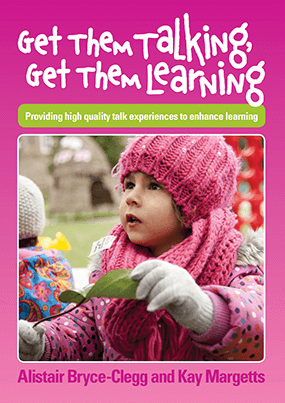
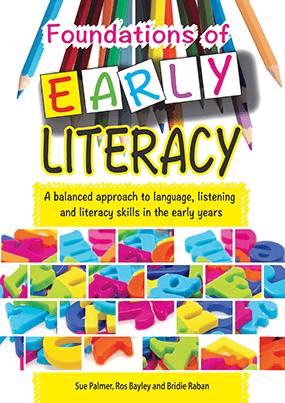
If you would like more support in this area, resources like Get Them Talking, Get Them Learning and Foundations of Early Literacy are full of practical, inclusive strategies that support children wherever they are on their communication journey.
Empower literacy through intentional environments
Literacy doesn’t start with a worksheet. It starts with a conversation, a song, a shared story or a sign a child can read on their own. As educators, we don’t need to have all the answers, but we do have the power to create environments where children feel confident to explore, ask questions and make meaning.
At Essential Resources, we’re here to support you with tools and professional learning that bridge theory and practice to fit the rhythm of real ECE settings. If you’re looking for practical support, our Language and Literacy Resources or The Foundations of Communication, Language and Literacy online course could be just what your team needs.
Let’s build environments where children don’t just learn to read – they learn to love it.