It can be challenging to engage secondary students in maths, especially for those who find the subject difficult. However, with the right strategies and resources, educators across New Zealand can effectively engage secondary students in maths, making it more accessible and enjoyable.
This blog explores practical tips for planning effective maths lessons that break down complex concepts and encourage collaborative learning. By connecting maths to everyday life and using diverse teaching methods, educators can boost student engagement. Discover how to empower your students on their maths journey and transform their learning experience! Read on for strategies that inspire confidence and enthusiasm in maths.
How to engage secondary students in maths who are struggling
Approaching struggling learners in maths requires a compassionate and structured approach that builds their confidence and supports foundational skills.
Start by building a classroom environment where mistakes are seen as learning opportunities. Encouraging a growth mindset helps struggling maths students feel safe to take risks, ask questions and keep trying.
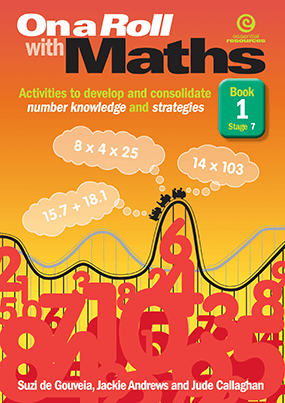
Breaking down complex problems into smaller, manageable steps helps prevent students from feeling overwhelmed. The On a Roll With Maths series provides students with sequential steps to make new learning as easy as possible.
Many struggling learners benefit from visual and tactile learning. Visual aids like graphs, charts and interactive models help students see abstract concepts more clearly. Activities that use manipulatives or real-life examples allow students to engage actively with the material. No Nonsense Number Games Book 1: Stage 7 offers a collection of enjoyable games that reinforce maths learning.
Personalised feedback helps students understand what they’re doing well and where they can improve. Instead of simply marking answers as right or wrong, guide students with prompts that encourage reflection and independent problem-solving.
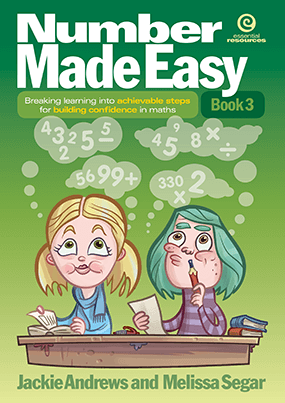
Furthermore, group work allows students to learn from each other and develop a growth mindset by tackling challenges together. Collaborative activities make maths feel less isolating and provide an opportunity for students to articulate their thinking and learn from their peers. The Number Made Easy series is specifically tailored to students struggling with maths and contains suggestions for paired activities.
How can teachers engage secondary students in maths?
In secondary school, students encounter complex maths concepts, which can be intimidating and lead to disengagement, especially among struggling learners. Balancing the demands of the curriculum with students’ individual needs can be difficult. However, there are a number of ways through which educators can engage secondary students in maths.
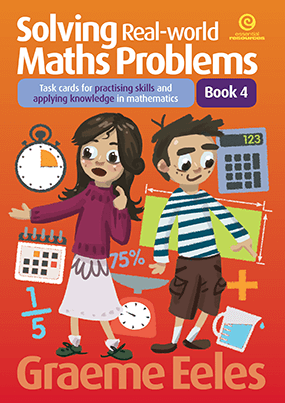
One key strategy that teachers can use to help struggling maths students is to translate problems into a real-world context. When students see how maths applies to their own lives, they are more likely to find it relevant and engaging. Graeme Eeles‘ Solving Real-world Maths Problems series allows students to consolidate their knowledge by applying maths knowledge to everyday situations. The activity cards encourage students to apply their maths skills to contexts of sports, shopping and travel among other situations.
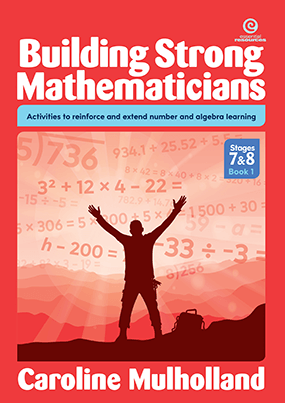
Next, consider using hands-on activities and regular practice in place of memorisation to encourage active engagement. Providing students with engaging activities and regular opportunities to practice key skills allows them to take an active role in their learning. Book 1–3 in the Building Strong Mathematicians series reinforce and extend key maths concepts. Books 4–6 are helpful companion resources with activity cards to facilitate independent learning.
Additionally, fostering problem-solving skills empowers students to tackle questions with greater confidence. Open-ended Problem Solving: Lower Secondary demonstrates that problems can be solved in more than one way and can have multiple solutions.
Planning effective maths lessons for high school students
Planning effective maths lessons for high school students requires a structured approach that combines foundational skills, problem-solving, and real-world relevance. To engage secondary students in maths, lesson plans should begin with clear objectives, outlining what students will learn. The objectives should also stress how the content of the lesson relates to real life. This helps struggling maths students see value in the material, which boosts motivation and engagement.
Breaking down lessons into manageable segments, including warm-ups, key content and group work, is a proven secondary maths teaching strategy. Warm-ups that review previous content can reinforce understanding. Building Maths Fitness Book 2 contains lots of great lesson starters to get students primed and focused.
Additionally, introducing new material in short, focused segments helps students digest complex concepts without burning out. Take Five: Book 3 – Stages 6 to 8 offers 5 minute activities, allowing students to practice without getting overwhelmed.
Conclusion
In conclusion, engaging secondary students in maths requires thoughtful strategies that address both academic and emotional needs. This is especially important for students who find the subject challenging. By fostering a supportive learning environment, educators across New Zealand can help students build confidence in maths. With the right tools and approaches, teachers can transform maths into a subject of discovery and achievement for all students.
For more information, don’t forget to check out our blog on How to build secondary students’ confidence in mathematics.